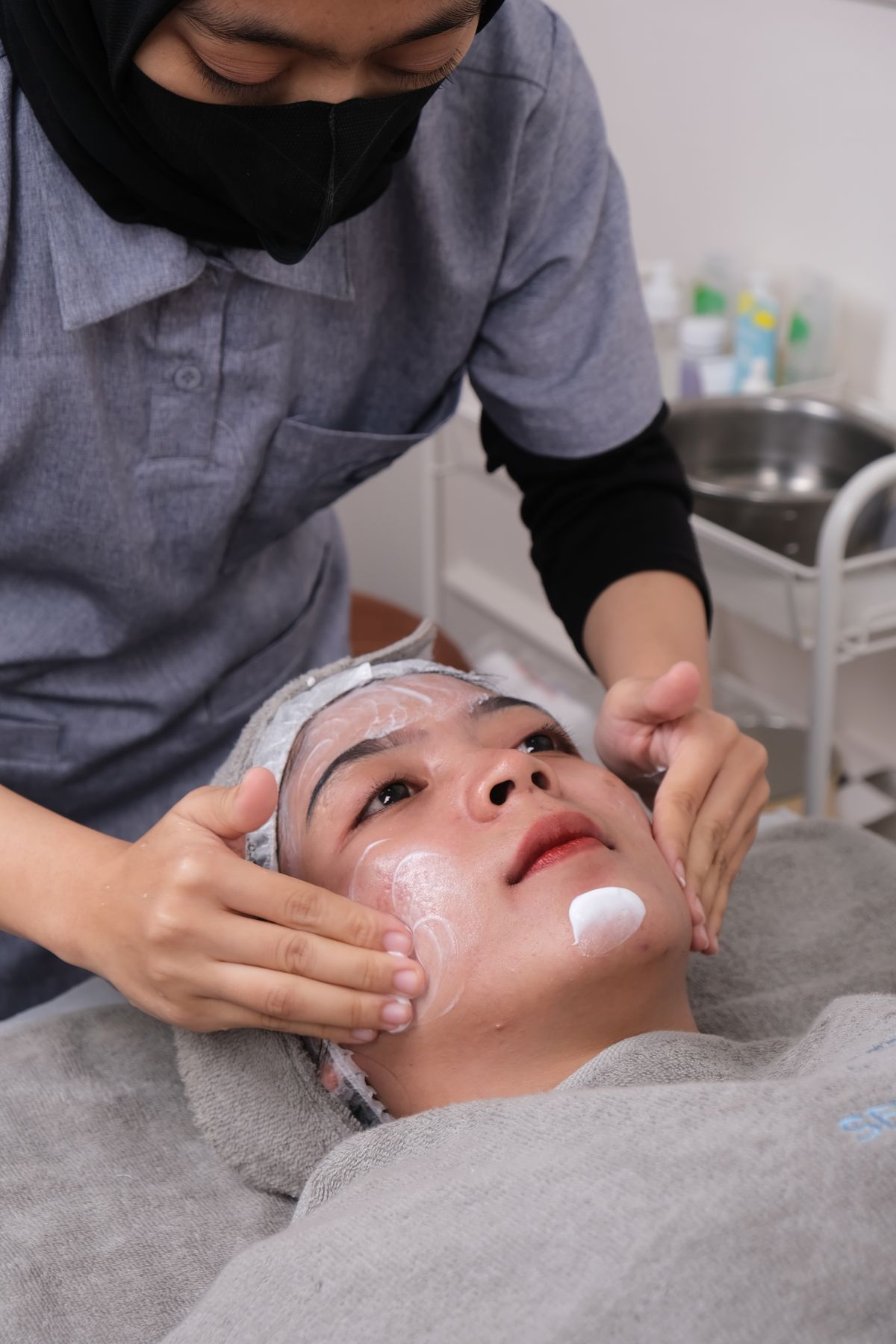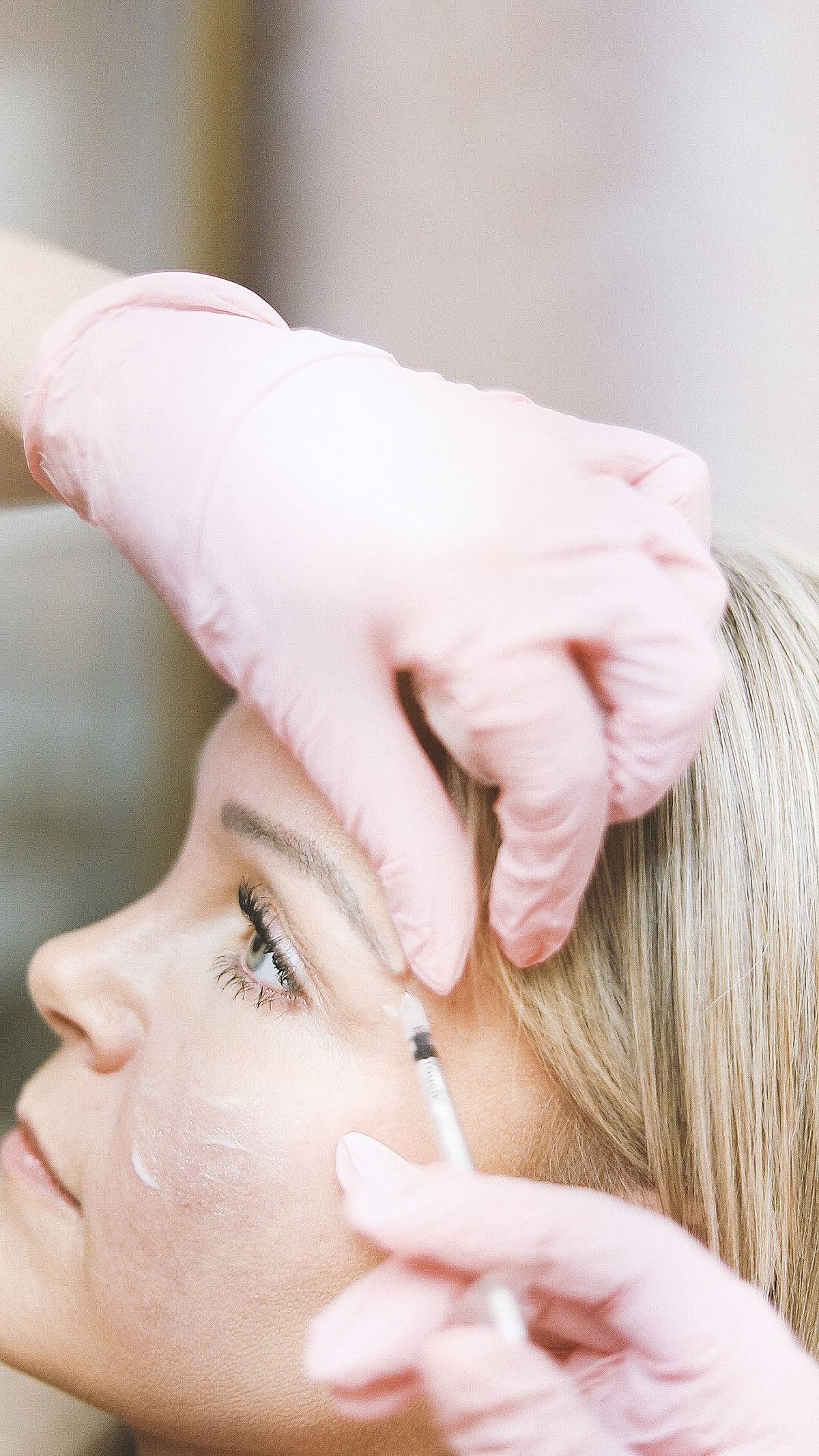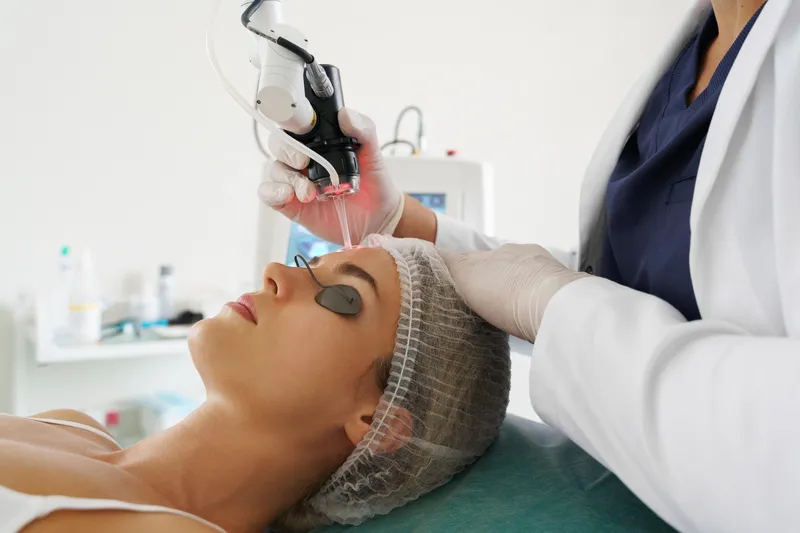
Skin Resurfacing & Rejuvenation
A physician-guided laser approach that may help improve skin texture, soften the look of fine lines, and support a brighter, more refined complexion.
Aesthetic Services
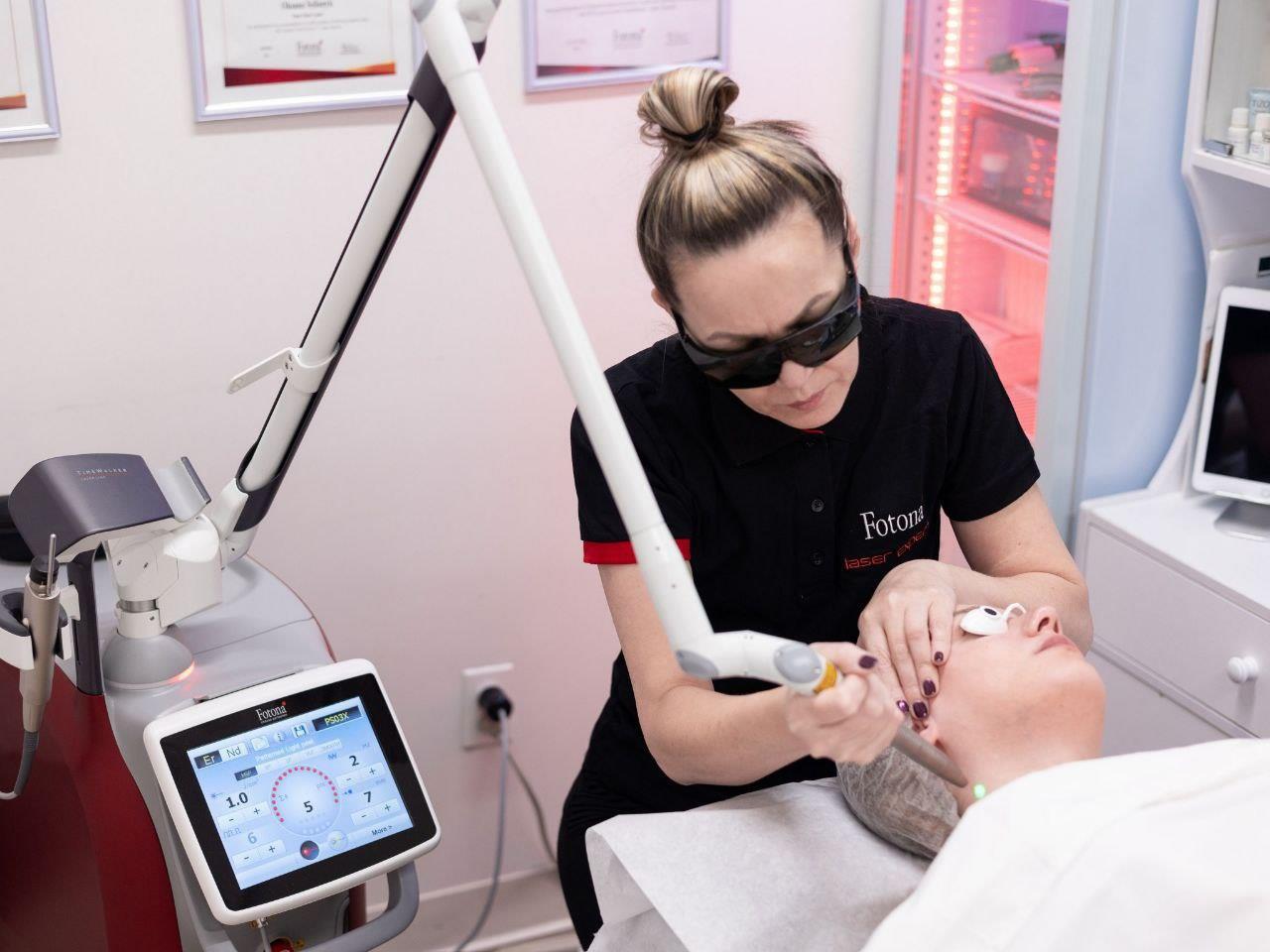
Lenox Medical Clinic features a state-of-the-art Fotona laser system, one of the most advanced aesthetic laser platforms in the world, with more than 30 treatment applications. Fotona can support a broad range of aesthetic and selected wellness treatments, and each recommendation is guided by physician evaluation, treatment goals, and individual response.
Depending on the concern being addressed, Fotona may be used for non-invasive or minimally invasive care that targets the skin surface, deeper tissue layers, or selected functional concerns. Results vary by patient, and treatment recommendations are personalized by Dr. Challa in a medical setting.
Depending on your skin goals, Fotona may help improve active acne and can be discussed alongside Hydrafacial or XERF when a broader aesthetic plan makes sense.
Treatment Areas
Explore the most requested Fotona treatment categories available at Lenox Medical Clinic. Fotona is a platform, so treatment planning can be customized to the specific concern being addressed.
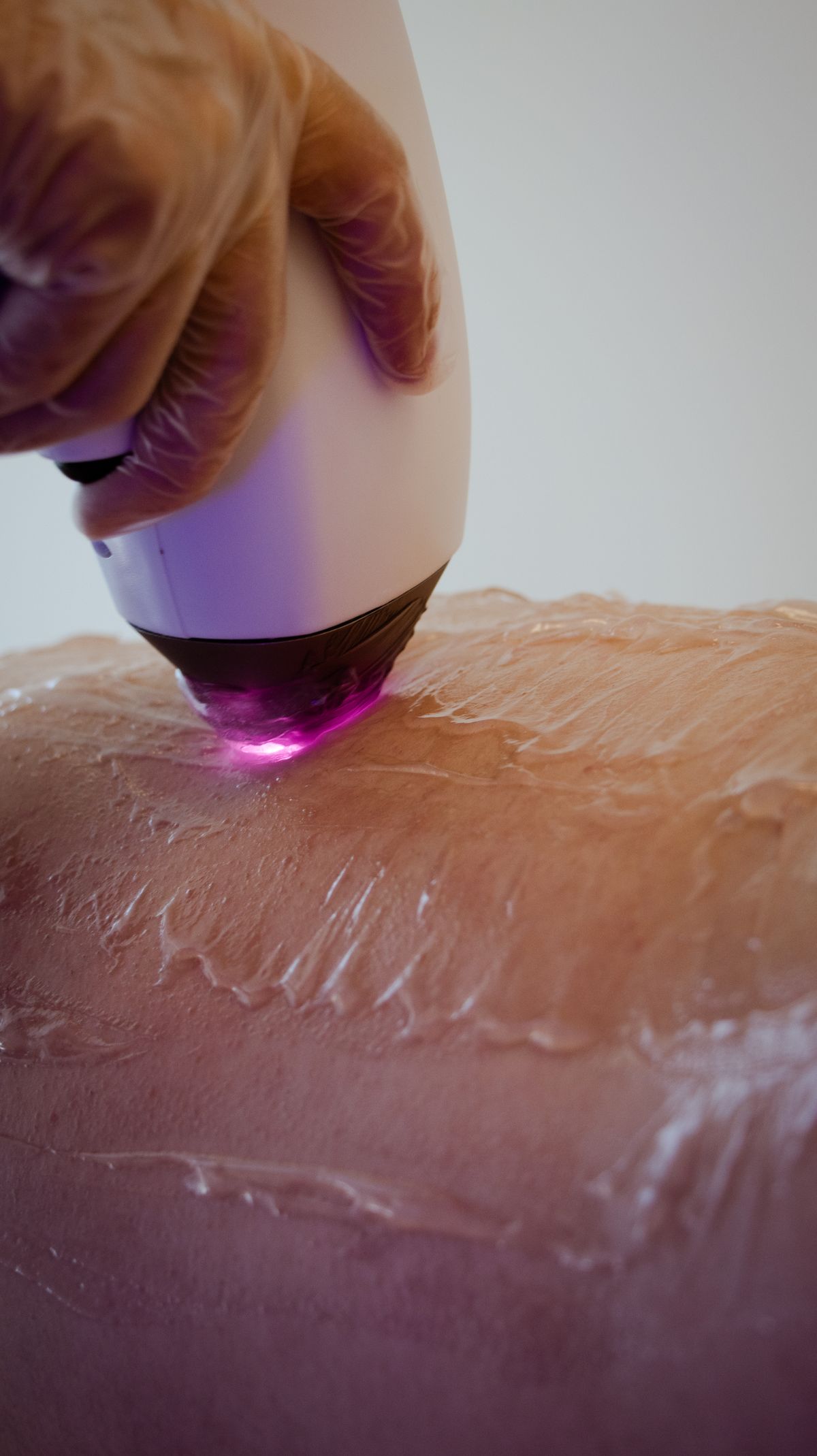
Fotona uses dual-wavelength technology to give providers more control over energy delivery. That flexibility supports a wide range of treatment goals, from skin resurfacing and tightening to selected women's wellness and pelvic floor applications.
A physician-guided laser approach that may help improve skin texture, soften the look of fine lines, and support a brighter, more refined complexion.
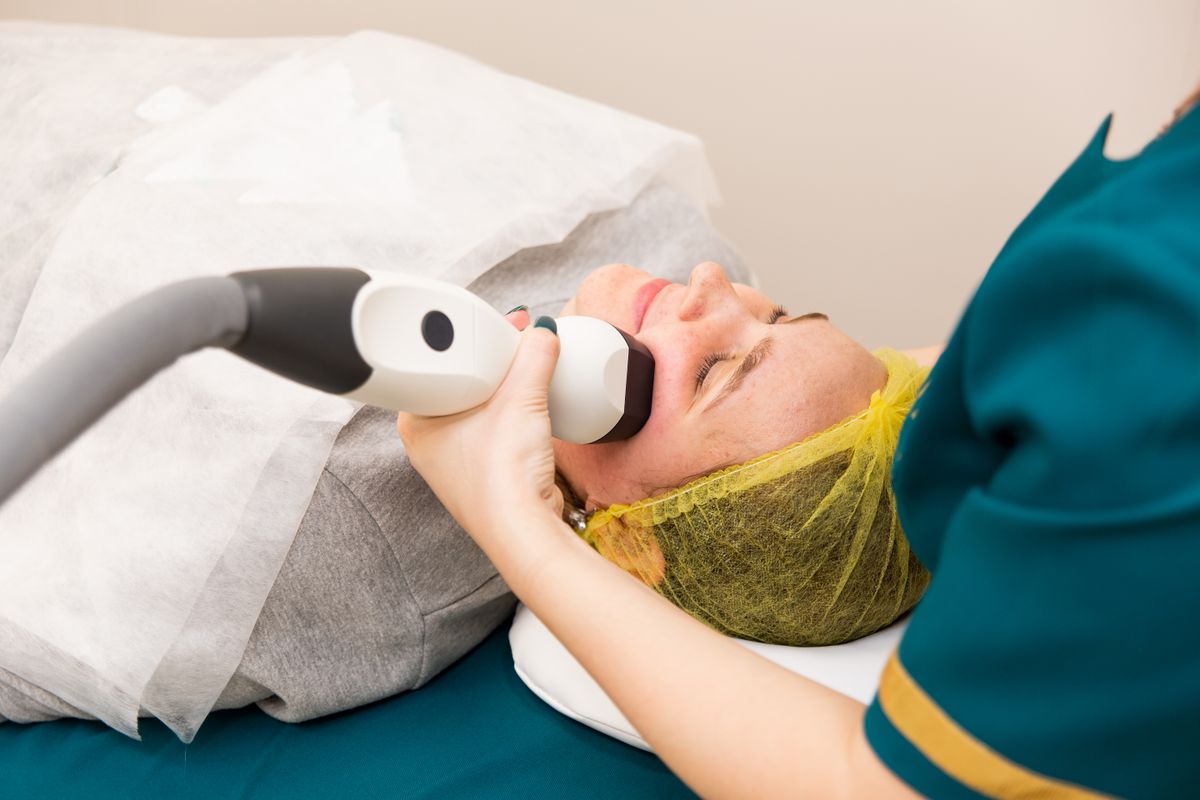
Fotona energy can be tailored to areas of laxity to support collagen remodeling and a firmer-looking appearance over time.
Targeted light-based treatment that may help improve the appearance of sun damage, pigmentation, redness, and select vascular concerns.
May help address active acne, post-inflammatory marks, and acne scars by supporting skin renewal and surface refinement.
A long-term hair reduction option for selected areas of the face and body, planned according to skin tone, hair type, and provider evaluation.
An in-office laser option that may help address toenail fungus beneath the nail plate without requiring oral medication for every patient.
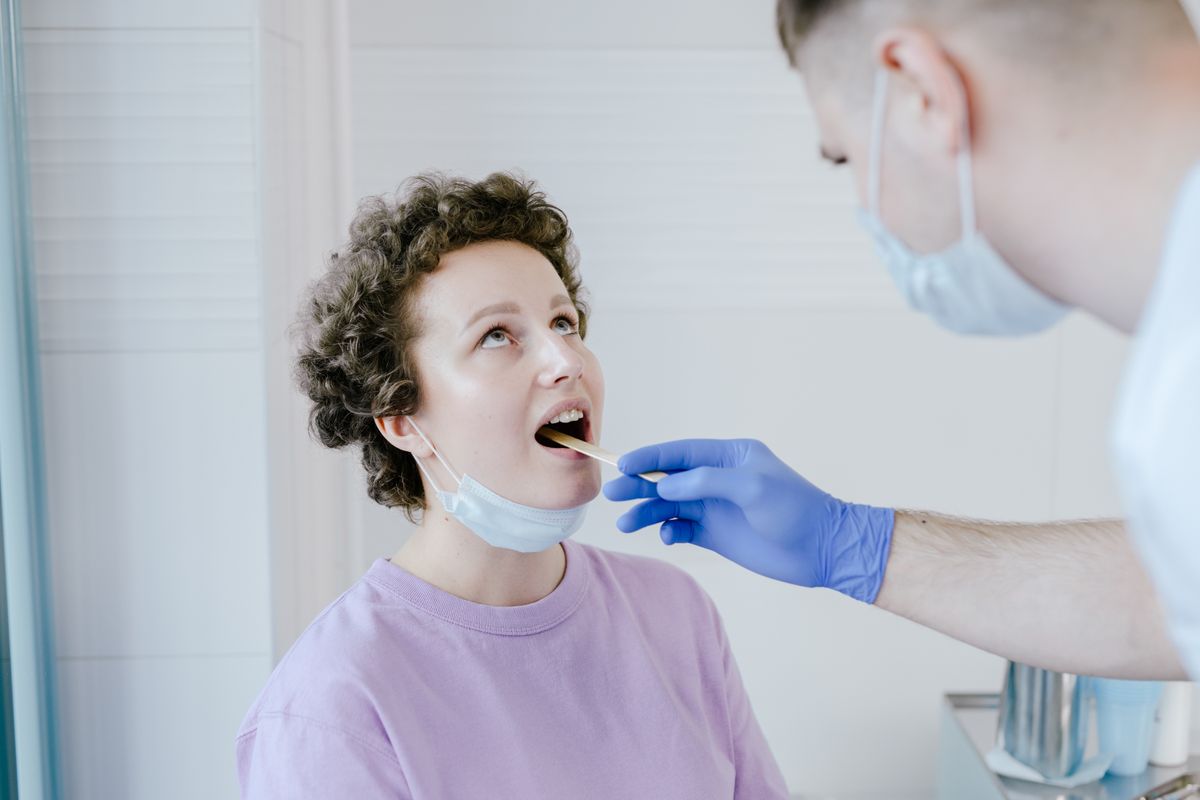
A non-invasive laser treatment designed to tighten the soft palate and throat tissues, which may help reduce snoring for appropriately selected patients.
A physician-guided option for intimate wellness concerns such as vaginal laxity and related symptoms when a provider evaluation supports treatment.
Non-invasive pelvic floor muscle strengthening designed to support muscle function, bladder control goals, and pelvic floor rehabilitation through physician-guided treatment.
Fotona treatment recommendations are based on an individualized consultation. If your goals include skin rejuvenation, hair reduction, snoring support, or women’s wellness, your provider can help determine which Fotona application is most appropriate.
How It Works
Fotona is a dual-wavelength laser platform that can support both non-invasive and minimally invasive treatment options in a physician-guided setting.
Fotona’s platform is designed to use complementary laser wavelengths, allowing providers to tailor energy delivery to different tissue depths and treatment goals.
Treatment recommendations are individualized based on the concern being addressed, skin type, anatomy, and medical history.
Depending on the indication, Fotona may be used for non-invasive skin care, office-based resurfacing, and selected minimally invasive applications.
At Lenox Medical Clinic, Fotona care is planned and supervised within a medical setting so safety, timing, and expectations are discussed up front.
Why Patients Choose Fotona
Fotona is a flexible platform that can support a wide variety of patient goals. The benefits below reflect what Fotona may help provide when treatment is selected appropriately.
One system can support multiple aesthetic and wellness applications, which helps your provider match the technology to the right goal.
Settings can be adjusted for the treatment area, comfort level, and the clinical effect being targeted.
Fotona is designed to deliver controlled energy in a precise way, which helps support more targeted treatment planning.
Many Fotona services are designed around little interruption to daily life, though recovery depends on the specific procedure.
Some Fotona applications may help stimulate collagen remodeling to support gradual improvement in skin quality and firmness.
Lenox can use Fotona for skin, hair, vascular, and selected wellness applications rather than limiting patients to a single procedure type.
Provider evaluation helps determine whether Fotona is appropriate and which application best matches your goals.
Conditions
Fotona treatment selection depends on the concern being addressed and whether your provider determines that laser therapy is appropriate.
May help improve overall brightness, texture, and skin quality with treatment selected for your goals.
Can be used in resurfacing or tightening protocols that may soften visible lines over time.
May support firmer-looking skin when collagen remodeling is part of the treatment plan.
May help improve selected pigment irregularities, sun spots, and tone variation when appropriate.
May help address visible redness or select vascular concerns through targeted laser energy.
May help improve active acne, post-inflammatory marks, and the appearance of acne-related texture changes.
Resurfacing applications may help smooth roughness and refine the look of uneven skin texture.
May help improve the visible effects of photodamage, depending on the type and depth of change.
Can be used when patients want a more refreshed surface appearance and provider-guided skin renewal.
May help selected patients who want a non-invasive snoring treatment option.
IntimaLase may help with vaginal laxity and related intimate wellness concerns when a provider evaluation supports treatment.
IntimaWave may help support pelvic floor muscle strengthening and related functional goals.
Selected Fotona women’s wellness technologies may help patients whose provider recommends treatment for bladder control concerns.
Pelvic floor-focused treatment may be considered as part of recovery planning after childbirth when medically appropriate.
Women's Wellness
Fotona’s women’s wellness applications may be considered separately or together, depending on your evaluation, symptoms, and treatment goals.
A non-surgical laser option used in women’s wellness care that may help support tissue tightening and collagen remodeling in the vaginal area.
A non-invasive electromagnetic treatment designed to support pelvic floor muscle strengthening, rehabilitation, and bladder-control goals.
Some patients may be evaluated for IntimaLase, IntimaWave, or both, depending on whether the primary goal is tissue tightening, pelvic floor strengthening, or a broader women’s wellness plan.
Treatment Journey
Fotona treatment is individualized from the start so the selected application, settings, and follow-up plan match your needs.
Consultation
Your visit begins with a provider evaluation to discuss symptoms, goals, medical history, and whether Fotona is the right fit for your needs.
Assessment
The treatment area is reviewed so the provider can assess skin type, anatomy, sensitivity, and any reasons to adjust or delay treatment.
Planning
Your provider selects the Fotona application, settings, and number of sessions based on the concern being treated and your expectations.
Treatment
The selected Fotona treatment is performed in-office with controlled energy delivery and guidance from the clinical team.
Recovery
After treatment, the skin or treated tissue may feel warm or temporarily sensitive. Recovery instructions vary by procedure.
Follow-up
Your provider may recommend a follow-up visit, maintenance treatment, or another service as part of a broader care plan.
Expected Results
Results depend on the treatment performed, the area being treated, and your body’s response to the procedure.
Some patients notice an immediate refreshed or tightened feel, though results vary by procedure and patient.
Depending on the treatment, temporary redness, warmth, or mild swelling may improve over hours to days.
Collagen remodeling and skin renewal may continue for weeks after treatment, which is why improvements can be gradual.
Some Fotona applications are best maintained with a series of treatments or periodic follow-up based on provider recommendations.
Before Treatment
Preparation helps support comfort, safety, and treatment effectiveness. Your provider may customize these instructions for the exact Fotona service being performed.
Follow all provider instructions before your appointment.
Avoid tanning, sunburn, and self-tanners for the recommended period before treatment.
Use broad-spectrum sunscreen daily before treatment when the area will be exposed.
Pause retinoids, exfoliating acids, and other active skincare products when directed.
Avoid waxing, chemical peels, or abrasive skin treatments before resurfacing procedures unless instructed otherwise.
Tell your provider about photosensitivity, recent isotretinoin use, and medications that can increase light sensitivity.
Share your full medical history, including implanted devices, pregnancy status, and prior procedures.
Arrive with clean skin if the treatment area is on the face or body and no prep is otherwise required.
Stay hydrated, especially before energy-based and wellness procedures.
Review all medications and supplements with your provider, especially blood thinners, antibiotics, steroids, hormone therapy, biologic injections, and photosensitizing medications.
If your provider approves, pause products or supplements that may increase bruising or inflammation before treatment.
If you have a history of cold sores, ask whether antiviral medication should be started before treatment.
Avoid excessive sun exposure, tanning, and self-tanners on the treatment area.
Pause retinoids, exfoliating acids, waxing, and chemical peels when directed for the specific Fotona service being performed.
If the eye area, perioral area, or full face is being treated, plan around possible swelling or temporary light sensitivity.
Arrive with clean skin and avoid makeup, lotion, or sunscreen on the treatment area unless your provider tells you otherwise.
Stay well hydrated and eat normally before your appointment.
For comfort, your provider may recommend acetaminophen before treatment and an antihistamine if swelling prevention is appropriate.
After Treatment
Aftercare varies by procedure, but the following guidance is commonly used to support recovery and protect results.
Use gentle skincare after treatment and follow any product timing instructions from your provider.
Protect treated skin from sun exposure and use broad-spectrum sunscreen daily.
Avoid exfoliation, harsh acids, or scrubs until your provider says it is appropriate to restart them.
Limit heat exposure, strenuous activity, or friction if your provider advises a brief recovery period.
Keep the area clean and follow any wound-care or comfort instructions that were provided.
Use hydration and moisturization as recommended for your specific treatment.
Contact the clinic if you develop severe redness, blistering, swelling, pain, or any unexpected symptoms.
Return for follow-up or maintenance visits as recommended for your treatment plan.
Mild redness, warmth, and swelling may last about 1 to 3 days. If the SupErficial step is included, light flaking can occur.
Cleanse gently twice daily and use a gentle moisturizer.
Avoid harsh products, strenuous exercise, and heat exposure such as saunas or hot yoga for 24 to 48 hours.
Makeup is typically restarted once the skin is intact and calm, often within 24 to 48 hours.
Mild redness, mild swelling, and a warming sensation are common. Peeling usually does not occur.
Hydrate well after treatment.
Avoid strenuous exercise for 24 hours and excess heat exposure for about 48 hours.
Most patients resume normal skincare the next day unless their provider advises otherwise.
Temporary redness, mild swelling, or darkening of treated vessels may appear before the area fades.
Avoid heat, sun exposure, and strenuous activity for about 48 hours.
Do not place direct ice, pressure, friction, or compression on treated vessels unless your provider instructs you to do so.
Redness can last 3 to 7 days, swelling 1 to 4 days, and bronzing, micro-crusting, or peeling may appear as the skin heals. More aggressive resurfacing may take 2 to 3 weeks to fully normalize.
Cleanse gently twice daily and apply the recommended moisturizer.
Do not pick, rub, scrub, or exfoliate the healing skin.
Avoid strenuous exercise, pools, hot tubs, saunas, and hot water until your provider says the skin barrier has recovered.
Wait to use makeup until the skin is fully re-epithelialized and there are no signs of infection.
Sun protection is especially important after Fotona treatment and may be emphasized for up to 2 months depending on the procedure.
Avoid direct sun exposure and wear broad-spectrum SPF daily on treated skin.
If your skin is prone to pigmentation or melasma, your provider may recommend tinted sunscreen for extra visible-light protection.
Avoid self-tanners on healing skin because they can contribute to uneven pigment changes.
Contact the office right away if you notice any of the following after treatment:
Excessive or rapidly worsening swelling
Drainage that looks like pus
Increasing warmth, spreading redness, or severe pain
Fever of 101.5 F or higher
Any unexpected symptom that feels significantly worse instead of gradually improving
Care note
These pre-care and post-care details were expanded to reflect the Fotona instruction guide you shared, including treatment-specific downtime expectations, sun precautions, and follow-up guidance. Final instructions should always follow the exact Fotona procedure performed and Dr. Challa's medical recommendations.
Who It’s For
A provider evaluation is the best way to determine whether Fotona is a good fit and which treatment is most appropriate.
Patients interested in a physician-guided aesthetic or wellness option may be a candidate after consultation.
A good fit usually means the patient understands the goals, limitations, and expected recovery of the specific procedure.
Candidates are selected based on skin type, anatomy, medical history, medications, and treatment priorities.
Some Fotona applications are better suited for healthy skin, while others are chosen for sensitivity, pigmentation, or wellness needs.
Why Lenox
We pair modern laser technology with physician-led planning, patient education, and individualized follow-up.
Physician-led evaluation and individualized treatment planning
Modern Fotona technology used within a medical clinic setting
Clear education before treatment and realistic expectations after treatment
Careful attention to safety, timing, and follow-up recommendations
The ability to coordinate Fotona care with other services when appropriate
Some patients may also discuss other Lenox services such as HydraFacial or XERF when the treatment plan would benefit from complementary skin-rejuvenation support.
A few quick answers to common questions about Fotona treatment types, comfort, before-and-after care, and what to expect from a provider evaluation.
Educational note
This page is intended for educational purposes only. Results vary by patient, and treatment recommendations depend on physician evaluation, your medical history, and the specific Fotona application being considered.